Patient guide · Reviewed May 2026
Complete Nutrition Guide for GLP-1 Patients in Australia
GLP-1 medications reduce appetite so effectively that what you eat matters as much as how much. Without enough protein and micronutrients, patients can lose muscle, feel fatigued, or develop constipation and gallstone risk during rapid weight loss.
Dietitians Australia has called for dietitian involvement whenever GLP-1 therapy is prescribed. This guide covers practical eating patterns — protein priorities, Mediterranean-style meals, foods to limit, and key micronutrients — for Australians on Ozempic, Wegovy, or Mounjaro.
General education only; individual targets depend on your weight, kidney function, and medical conditions.
Published 2026-05-01 · Clinically reviewed 2026-05-31
Patient guide · Reviewed May 2026
First Principle — Protein at Every Meal
Aim for 1.2–1.6 g of protein per kilogram of target body weight per day during active weight loss unless your kidney specialist advises a lower target. Spread…
Aim for 1.2–1.6 g of protein per kilogram of target body weight per day during active weight loss unless your kidney specialist advises a lower target. Spread intake across three meals — the stomach holds less volume on GLP-1 therapy.
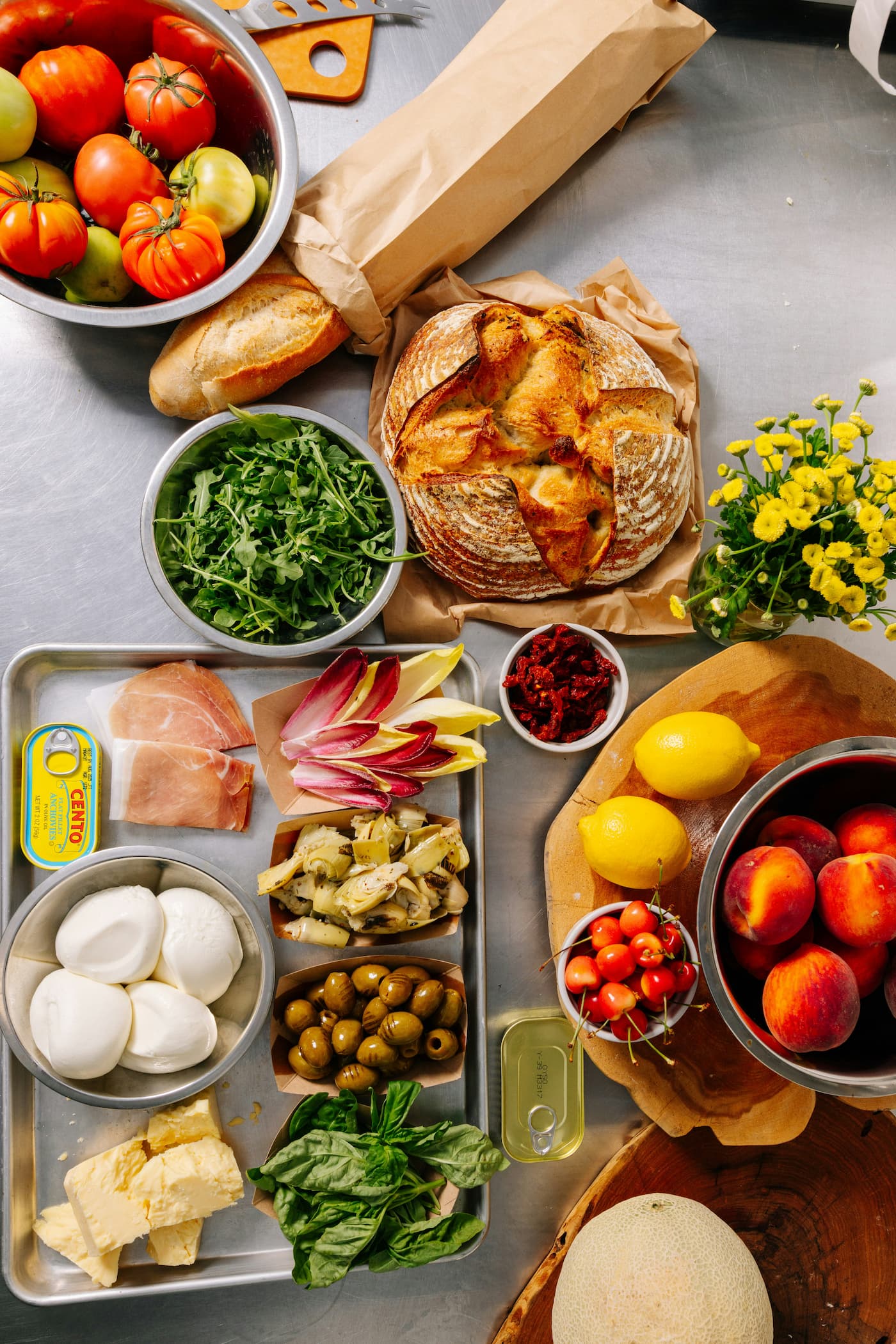
- Breakfast: Greek yoghurt, eggs, cottage cheese, protein smoothie.
- Lunch: tinned salmon, chicken, tofu, lentil soup with extra legumes.
- Dinner: fish, lean red meat, turkey, tempeh — half the plate vegetables.
- Snacks (if needed): cheese, nuts, edamame — small portions to avoid displacing meals.
Mediterranean Pattern — Best Evidence Fit
The Mediterranean diet aligns with fatty liver, diabetes, and cardiovascular guidelines. It is not a fad phase but a sustainable pattern: olive oil, vegetables, legumes, whole grains, fish, nuts, modest dairy, limited red meat and processed foods.
- Extra virgin olive oil as primary fat.
- Fish 2–3 times weekly (omega-3 for liver and heart).
- Colourful vegetables and salad at most meals.
- Legumes and whole grains for fibre — start small if GI sensitivity is high.
- Coffee (regular, not loaded with sugar) — associated with lower liver fat in observational studies.

Patient guide · Reviewed May 2026
Foods and Habits to Limit
Eat slowly, stop at comfortable fullness, and separate fluids from solids by 30 minutes if you experience reflux or early fullness.
- Ultra-processed foods — easy to over-consume when appetite returns; low nutrient density.
- Large high-fat meals — worsen nausea and gallstone risk during rapid weight loss.
- Alcohol — worsens liver fat; limits weight loss; interacts with fatigue and hypoglycaemia risk in diabetes.
- Liquid calories — juices, soft drinks, large milky coffees add sugar without satiety.
- Grazing on low-protein snacks — leads to inadequate protein by end of day.
Eat slowly, stop at comfortable fullness, and separate fluids from solids by 30 minutes if you experience reflux or early fullness.
Micronutrients Worth Attention
- Vitamin B12 — check if on metformin or if intake is low (animal foods, fortified products, or supplement per GP).
- Iron — if fatigued; especially menstruating women eating less red meat.
- Vitamin D — common deficiency in Australia; sun safety and supplementation per blood level.
- Fibre and fluids — prevent constipation; increase gradually to reduce bloating.
- Calcium — if dairy intake drops; important for bone health with weight loss.
Routine multivitamins are optional if diet quality is good; targeted supplementation follows blood tests.
Patient guide · Reviewed May 2026
Managing GI Side Effects Through Food
- Smaller, bland meals during dose increases — ginger tea, crackers, poached chicken.
- Avoid greasy, fried, and very sweet foods when nauseous.
- Stay hydrated with water; consider electrolyte drinks only if advised during vomiting.
Find a liver elastography clinic near you
Search by suburb or postcode to see accredited clinics offering FibroScan and guided liver elastography across Australia.
Type a suburb or postcode and press Enter to search nearby.
Request a liver scan appointment
Submit your details and we'll route your request to the most appropriate elastography clinic in your area. Most clinics respond within 1–2 business days.
Take action
Request an appointment
Frequently asked questions
How many calories should I eat on Wegovy or Mounjaro?
There is no universal number — appetite often self-regulates intake. Focus on protein, vegetables, and meal regularity. Very low calories increase muscle loss; a dietitian can calculate needs.
Do I need to follow a keto diet on GLP-1?
No. Mediterranean-style patterns have stronger evidence for liver and heart health. Extreme keto is hard to sustain and not required for GLP-1 effectiveness.
Can I drink alcohol on Ozempic?
Limit or avoid alcohol — especially with fatty liver. Alcohol adds empty calories, worsens liver fat, and increases hypoglycaemia risk if you take insulin or sulfonylureas.
Why am I constipated on Mounjaro?
Delayed gastric emptying and lower food volume reduce fibre intake. Increase water, soluble fibre, and movement; speak to your GP if severe.
Should I take a protein shake?
Shakes help if you cannot meet protein targets from food alone. Choose low-sugar options and count them toward daily protein — not as a meal replacement forever.
Reviewed against: Dietitians Australia GLP-1 nutrition statements; EASL–EASD–EASO guidelines on MASLD; Mediterranean diet evidence in metabolic disease; TGA GLP-1 product information GI effects; ESSENCE and SURMOUNT nutritional substudies.
This article is for educational purposes only. It does not constitute medical advice. Always consult your GP or a specialist about your individual health circumstances.
Next step
Find a liver elastography clinic near you
Search participating clinics across Australia, or talk to your GP about a baseline FIB-4 and elastography.