Patient guide · Reviewed May 2026
Fatty Liver Diet on GLP-1 Medications — What to Eat and What to Avoid
If you have been diagnosed with fatty liver disease (MASLD) and you are on Ozempic, Wegovy, or Mounjaro, you have a significant advantage: GLP-1 medications actively improve liver health in most patients. But dietary quality determines how much of that advantage you capture.
The Australian Liver Foundation is direct about this: the Fatty Liver Diet is based on the Mediterranean Diet — the eating style recommended for people with fatty liver disease. There is strong evidence that following this way of eating can help reduce fat in your liver, lower your risk of heart disease, and even provide benefits for some cancers.
This guide covers exactly what to eat, what to avoid, and how to adapt these principles to eating with significantly reduced appetite on GLP-1 therapy.
Published 2026-05-01 · Clinically reviewed 2026-05-31

Patient guide · Reviewed May 2026
The Mediterranean Pattern — What It Actually Means
The Mediterranean diet is the most evidence-supported dietary approach for MASLD. Crucially — and this is important — it is not about eating Mediterranean…
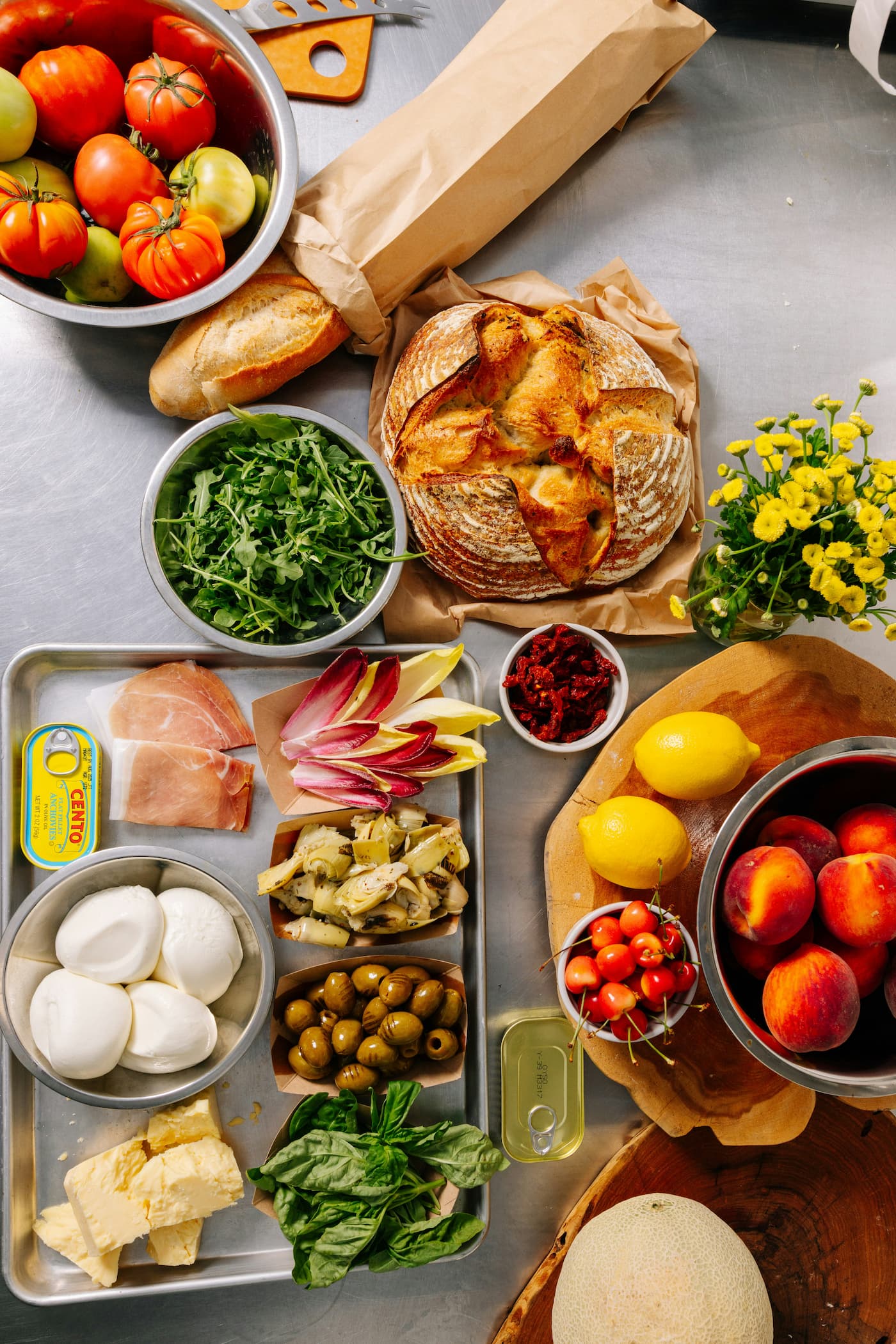
The Mediterranean diet is the most evidence-supported dietary approach for MASLD. Crucially — and this is important — it is not about eating Mediterranean food. It is about choosing certain kinds of foods in the right proportions.
Higher adherence to the Mediterranean diet is associated with a significantly lower risk of MASLD, according to a large retrospective cohort study. The protective mechanism involves the diet's anti-inflammatory and antioxidant properties, plus its effects on insulin sensitivity, lipid metabolism, and gut microbiome composition.
The core components:
Olive oil — the primary fat source. Replace vegetable oils, margarine, and butter with extra virgin olive oil. At least 2–3 tablespoons per day. Olive oil provides anti-inflammatory polyphenols and monounsaturated fats that actively reduce liver fat accumulation.
Fish — 2–3 times per week. Oily fish (salmon, sardines, mackerel, tuna) provide omega-3 fatty acids with documented anti-inflammatory effects in MASLD.
Legumes — 3–4 times per week. Lentils, chickpeas, beans, peas. High in fibre, plant protein, and low glycaemic index carbohydrates.
Vegetables — at every meal. At least 3 cups per day. Leafy greens, broccoli, cauliflower, capsicum, tomatoes, onions.
Whole grains — not refined. Oats, brown rice, quinoa, whole grain sourdough, barley.
Nuts and seeds — daily. Walnuts, almonds, sunflower seeds, chia seeds.
Moderate red meat — no more than 2–3 times per week, preferably lean cuts. Processed meat (bacon, sausages, deli meats) should be largely eliminated.
Coffee — The Most Important Hepatoprotective Food
Coffee deserves special attention because the evidence is both consistent and widely underappreciated.
Multiple meta-analyses confirm that coffee consumption is associated with reduced liver fibrosis progression, reduced risk of hepatocellular carcinoma, and improved liver enzyme levels in patients with MASLD. The hepatoprotective effect appears to be due to antioxidant and anti-inflammatory compounds in coffee — particularly chlorogenic acids and caffeic acid.
The evidence supports 2–3 cups of regular brewed coffee per day. This applies to filtered coffee, espresso, and plunger coffee. Instant coffee has weaker evidence. The benefit appears to require regular coffee — not decaf.
If you drink coffee, you are doing something specifically beneficial for your liver. This is not a general health claim — it is consistent, peer-reviewed, dose-dependent evidence from multiple large studies.

Patient guide · Reviewed May 2026
What to Avoid — The Liver-Damaging Foods
Alcohol — zero if you have MASLD. The Mediterranean diet allows moderate alcohol, but this exception does not apply to patients with confirmed fatty liver…
Alcohol — zero if you have MASLD. The Mediterranean diet allows moderate alcohol, but this exception does not apply to patients with confirmed fatty liver disease. Alcohol is independently hepatotoxic. There is no safe level of alcohol consumption for patients with confirmed MASLD. Zero.
The Liver Foundation Australia is explicit: one of the first lifestyle changes for patients with fatty liver disease is eliminating alcohol entirely.
Ultra-processed foods. Frozen meals, most packaged snacks, processed meats, commercial bread with many additives, fast food.
Added sugar and high-fructose foods. Soft drinks, fruit juices (including 100% fruit juice), confectionery, sweetened yoghurts, breakfast cereals with added sugar.
Refined carbohydrates. White bread, white rice, pasta, most commercial crackers and biscuits. Swap for whole grain equivalents.
Saturated fat in excess. Red meat, full-fat dairy, coconut oil in large quantities, processed foods with palm oil. Replace butter with olive oil and swap processed meat for fish.
The GLP-1 Adaptation — Eating Well on Reduced Appetite
GLP-1 medications significantly suppress appetite. The question is not just what to eat, but how to eat enough of the right foods when appetite is substantially reduced.
Protein first — always. With reduced stomach capacity and appetite, eat protein at the start of every meal before other foods. Target 1.2–1.6g of protein per kilogram of body weight per day.
Eat regularly — do not skip meals. Very low fat intake combined with infrequent eating paradoxically increases gallstone risk by reducing gallbladder emptying. GLP-1 medications already increase gallstone risk by 27%. Eating at least three small meals per day — each containing moderate healthy fat — supports gallbladder contraction and drainage.
Food quality over quantity. On reduced appetite, every meal has to count nutritionally.
Practical high-nutrient, small-volume meals for GLP-1 patients:
- 150g salmon fillet with roasted vegetables and a drizzle of olive oil
- Greek yoghurt with walnuts and a small portion of berries
- Lentil soup with whole grain bread
- Sardines on sourdough toast with avocado
- Chickpea and vegetable stir-fry with olive oil
Patient guide · Reviewed May 2026
The Weight Loss Target
The Mediterranean diet can help you lose weight. Losing 5–10% of body weight can significantly improve MASLD. But even without weight loss, the Mediterranean…
The Mediterranean diet can help you lose weight. Losing 5–10% of body weight can significantly improve MASLD. But even without weight loss, the Mediterranean diet is a powerful tool against liver disease.
On GLP-1 therapy, weight loss of 14–22% of body weight is achievable on average — well above the 5–10% threshold for meaningful MASLD improvement. The dietary quality layer compounds this metabolic benefit.
Finding a Dietitian for GLP-1 and Fatty Liver Support
An Accredited Practising Dietitian (APD) with experience in GLP-1 therapy and MASLD can translate these principles into personalised meal planning, protein targets, and micronutrient monitoring for your specific situation.
Access through your GP via a Chronic Disease Management Plan — up to 5 subsidised dietitian consultations per year with Medicare rebates.
Find a liver elastography clinic near you
Search by suburb or postcode to see accredited clinics offering FibroScan and guided liver elastography across Australia.
Type a suburb or postcode and press Enter to search nearby.
Request a liver scan appointment
Submit your details and we'll route your request to the most appropriate elastography clinic in your area. Most clinics respond within 1–2 business days.
Take action
Request an appointment
Frequently asked questions
What is the best diet for fatty liver disease on Ozempic?
The Mediterranean dietary pattern is the evidence-based recommendation for MASLD. On GLP-1 medications, prioritise protein at every meal (1.2–1.6g/kg/day), use olive oil as your primary fat, eat fish 2–3 times per week, include legumes regularly, and eliminate alcohol and ultra-processed foods. Coffee (2–3 cups/day of brewed coffee) is specifically hepatoprotective.
Can I drink alcohol if I have fatty liver on Ozempic?
No. Australian guidelines and international clinical consensus recommend zero alcohol for patients with confirmed MASLD. Alcohol independently causes liver fibrosis through a different mechanism to metabolic disease, and the two pathways compound each other. There is no safe level.
Does coffee help fatty liver disease?
Yes — multiple meta-analyses confirm that 2–3 cups of regular brewed coffee per day is associated with reduced liver fibrosis progression, reduced liver cancer risk, and improved liver enzyme levels in MASLD patients.
Can I eat fruit if I have fatty liver on Ozempic?
Whole fruit — yes. Fruit juice — no. Whole fruit contains fibre that slows fructose absorption. Fruit juice concentrates fructose without the fibre buffer, creating a spike in hepatic fructose delivery. Eat the whole fruit, skip the juice.
How much protein do I need on Ozempic with fatty liver?
1.2–1.6g of protein per kilogram of body weight per day. Prioritise protein at the start of every meal. Sources: chicken, fish, eggs, Greek yoghurt, legumes, cottage cheese.
Do I need a dietitian for fatty liver on GLP-1?
Dietitians Australia recommends dietitian involvement on every GLP-1 prescription. For patients with confirmed MASLD, personalised dietary guidance is particularly important. Access through a GP-referred Chronic Disease Management Plan for Medicare-subsidised consultations.
Liver Foundation Australia fatty liver diet; Mayo Clinic MASLD diet December 2025; Mediterranean diet and MASLD meta-analysis PREDIMED 2025; NCBI Mediterranean diet MASLD cohort October 2025; Healthline fatty liver foods updated April 2026; MJA MASLD consensus September 2025.
This article is for educational purposes only. It does not constitute medical advice. Always consult your GP or a specialist about your individual health circumstances.
Next step
Find a liver elastography clinic near you
Search participating clinics across Australia, or talk to your GP about a baseline FIB-4 and elastography.