Patient guide · Reviewed May 2026
GLP-1 Medications and Kidney Health — What Australians Should Know
Kidney health is one of the less discussed — but clinically important — aspects of GLP-1 therapy. Semaglutide and tirzepatide can protect kidneys in type 2 diabetes, yet the same medications cause nausea and reduced appetite that may lead to dehydration if not managed carefully.
This guide explains what the FLOW trial showed, why dehydration matters during dose escalation, and which tests — eGFR and UACR — your GP should track while you are on Ozempic, Wegovy, or Mounjaro.
Educational content only; kidney dosing and safety decisions belong with your prescribing clinician.
Published 2026-05-01 · Clinically reviewed 2026-05-31

Patient guide · Reviewed May 2026
GLP-1s and the Kidneys — The Big Picture
Chronic kidney disease is common in Australians with type 2 diabetes and obesity. High blood sugar, blood pressure, and obesity damage kidney filters over…
Chronic kidney disease is common in Australians with type 2 diabetes and obesity. High blood sugar, blood pressure, and obesity damage kidney filters over years. GLP-1 receptor agonists address several of these upstream drivers.
Clinical trials consistently show that semaglutide reduces progression of kidney disease in high-risk diabetic populations — not by being a "kidney drug," but by improving glycaemic control, weight, blood pressure, and direct renal effects.
What the FLOW Trial Showed
The FLOW trial (published in the New England Journal of Medicine in 2024) studied semaglutide 1 mg weekly in people with type 2 diabetes and chronic kidney disease. It was stopped early for efficacy.
Semaglutide reduced the primary composite endpoint — major kidney disease progression, kidney failure, or death from kidney or cardiovascular causes — by 24% compared with placebo. Benefits included slower eGFR decline and greater reduction in urine albumin.
For Australian patients, this reinforces that Ozempic (and related semaglutide products) are not nephrotoxic in the way some older diabetes drugs were; in appropriate patients they are kidney-protective. That does not remove the need for monitoring.
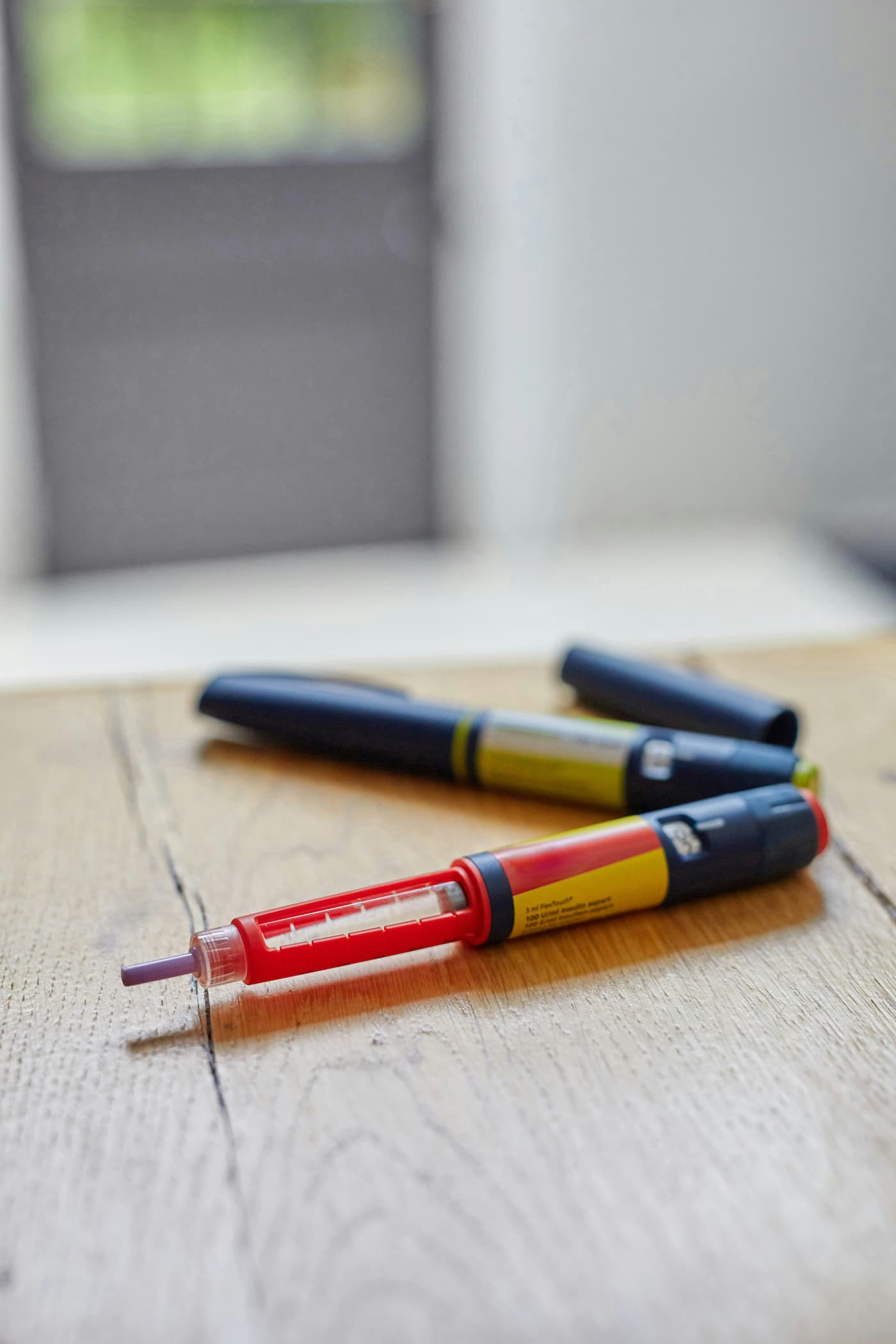
Patient guide · Reviewed May 2026
Dehydration Risk During Dose Escalation
The most immediate kidney-related risk on GLP-1 therapy is volume depletion — not drug toxicity. Nausea, vomiting, diarrhoea, and eating much less fluid-rich…
The most immediate kidney-related risk on GLP-1 therapy is volume depletion — not drug toxicity. Nausea, vomiting, diarrhoea, and eating much less fluid-rich food can reduce fluid intake and cause a temporary rise in creatinine.
- Sip water regularly; aim for pale yellow urine.
- Pause or slow dose increases if you cannot keep fluids down — contact your prescriber.
- Be cautious with NSAIDs (ibuprofen, naproxen) when dehydrated; they can worsen kidney function.
- Seek urgent care for persistent vomiting, dizziness, or very low urine output.
Creatinine often normalises once hydration improves. Your GP may repeat eGFR before attributing changes to chronic kidney disease progression.
eGFR and UACR — What to Test
eGFR (estimated glomerular filtration rate) is calculated from serum creatinine, age, and sex. It estimates how well your kidneys filter waste. A single low reading needs confirmation; trend over time matters more.
UACR (urine albumin-to-creatinine ratio) detects albumin leaking into urine — an early sign of diabetic kidney disease. It should be checked at baseline and at least annually on GLP-1 therapy if you have diabetes or hypertension.
- eGFR 90+: normal or high — continue routine monitoring.
- eGFR 60–89: mild reduction — repeat annually; optimise blood pressure and glucose.
- eGFR 30–59: moderate CKD — closer monitoring; confirm dosing with specialist if very low.
- UACR persistently elevated: indicates kidney stress — GLP-1 may still be beneficial; discuss ACE inhibitor/ARB and specialist input.

Patient guide · Reviewed May 2026
Mounjaro, Ozempic and Kidney Dosing
TGA product information for semaglutide and tirzepatide does not generally require dose reduction for mild to moderate kidney impairment, but experience in…
TGA product information for semaglutide and tirzepatide does not generally require dose reduction for mild to moderate kidney impairment, but experience in severe kidney failure is limited. Always use the version of the product information your prescriber references.
If you start dialysis or receive a kidney transplant, your endocrinologist will advise whether to continue, switch, or stop GLP-1 therapy.
Find a liver elastography clinic near you
Search by suburb or postcode to see accredited clinics offering FibroScan and guided liver elastography across Australia.
Type a suburb or postcode and press Enter to search nearby.
Request a liver scan appointment
Submit your details and we'll route your request to the most appropriate elastography clinic in your area. Most clinics respond within 1–2 business days.
Take action
Request an appointment
Frequently asked questions
Can Ozempic damage my kidneys?
In clinical trials semaglutide protected kidneys in high-risk patients (FLOW trial). Acute creatinine rises are more often linked to dehydration from GI side effects than to direct toxicity. Report vomiting and poor fluid intake promptly.
Do I need a urine test as well as blood tests?
Yes — UACR on a morning urine sample is the standard screen for early kidney disease. Blood creatinine alone can miss significant albumin leakage.
I felt nauseous and my eGFR dropped — is that permanent?
Often not. Repeat testing after rehydration and stabilising on a dose is essential. Your GP will interpret whether the change reflects acute injury or chronic progression.
Does tirzepatide (Mounjaro) have similar kidney benefits?
Tirzepatide trials in type 2 diabetes show reductions in urine albumin and favourable renal markers. Long-term kidney outcome trials are ongoing; monitoring principles are the same as for semaglutide.
Should I drink extra water on GLP-1 medications?
Maintain normal hydration — especially during dose increases and hot weather. There is no need to over-drink unless advised medically, but do not restrict fluids when appetite is low.
Reviewed against: FLOW trial — semaglutide and kidney outcomes (NEJM 2024); TGA product information Ozempic, Wegovy, Mounjaro; Kidney Health Australia clinical resources; ADA Standards of Care kidney disease screening recommendations.
This article is for educational purposes only. It does not constitute medical advice. Always consult your GP or a specialist about your individual health circumstances.
Next step
Find a liver elastography clinic near you
Search participating clinics across Australia, or talk to your GP about a baseline FIB-4 and elastography.